GOOD, BAD OR NO CREDIT - FINANCING FOR ALL CREDIT TYPES!

GOOD, BAD OR NO CREDIT - FINANCING FOR ALL CREDIT TYPES!

Understanding the true cost of owning a car in Rhode Island goes far beyond the sticker price you see on the windshield. While the initial purchase is a significant expense, it is only the beginning of your financial commitment. From Providence to Warwick, every driver needs to account for a range of ongoing expenses that make up the total cost of ownership. These include predictable costs like insurance premiums, fuel, and registration fees, as well as unpredictable expenses such as maintenance and unexpected repairs. Budgeting for these items ensures that your vehicle remains a reliable asset rather than a financial burden. By gaining a clear picture of these associated costs, you can make a more informed decision, select a vehicle that truly fits your budget, and enjoy peace of mind on the road. We are here to help you navigate these factors and find an affordable, quality used car.
Navigating the total cost of car ownership is easier when you have a trusted partner. Our goal is to make your purchase transparent and manageable. We specialize in providing affordable and accessible financing options tailored to your unique financial situation, regardless of your credit history. Our extensive inventory of reliable, pre-inspected vehicles helps minimize unexpected repair costs down the road. Let our team guide you through the process, ensuring you drive away with a car you love and a payment plan you can comfortably afford.
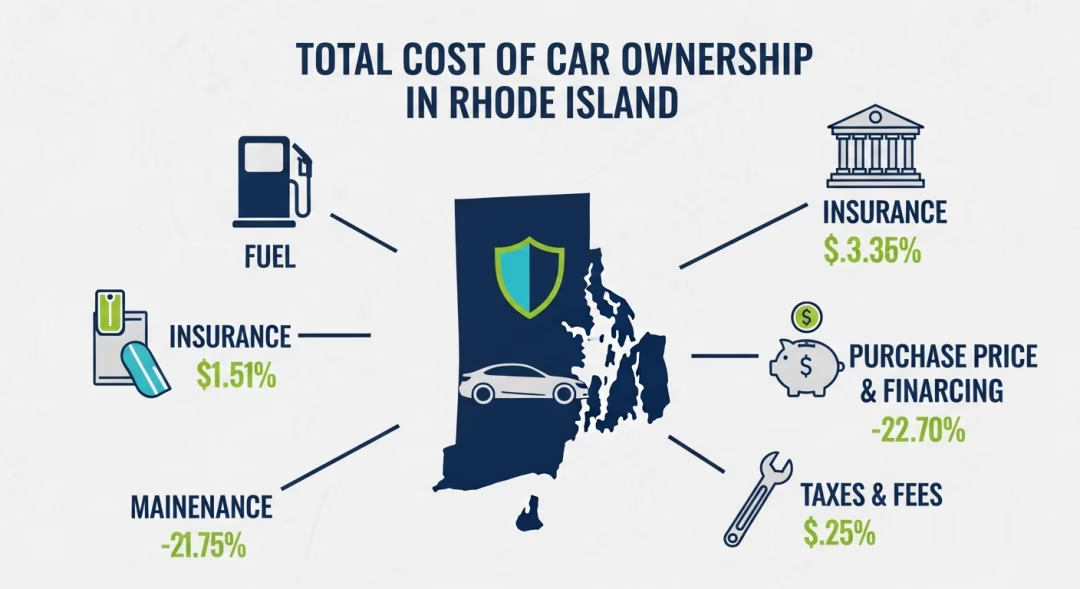
When you start searching for a car, the price tag is naturally the first thing you focus on. However, this number is just one piece of a much larger financial puzzle. In Rhode Island, several state-specific and universal costs contribute to what you will actually spend over the lifetime of your vehicle. Thinking about these expenses upfront helps prevent financial surprises and empowers you to choose a car that aligns with your long-term budget. Let's dive deep into the various elements that constitute the total cost of owning a car in RI.
Before you even get the keys, you will face several one-time costs associated with acquiring your vehicle.
Unless you are paying in cash, you will likely need an auto loan. The terms of your loan are a major factor in your overall cost. Our team is skilled at helping buyers with all types of credit histories, from perfect credit to those needing bad credit car loans in Rhode Island. We believe everyone deserves a reliable vehicle, which is why we offer guaranteed car financing solutions.
The Annual Percentage Rate (APR) is the interest rate you will pay on the borrowed amount. This rate is influenced by your credit score, the loan term, and the vehicle's age. A longer loan term (e.g., 72 months vs. 48 months) might result in a lower monthly payment, but you will pay significantly more in interest over time. We work with you to find a balance that fits your monthly budget without excessive long-term costs.
These are the costs you will encounter month after month, year after year. They are the true "cost of ownership" and must be factored into your budget.
Rhode Island law requires all drivers to carry liability insurance. The average cost of car insurance in RI can fluctuate based on many variables, including your age, driving record, location (e.g., Providence vs. a rural town), the type of car you drive, and the amount of coverage you choose. A sports car will cost more to insure than a family sedan. If you finance a vehicle, your lender will also require you to carry comprehensive and collision coverage, which increases the premium but protects the vehicle from theft or damage.
Gas prices are a constant consideration for any driver. Your fuel expenses will depend on three things: the price of gas, your vehicle's fuel efficiency (miles per gallon or MPG), and how much you drive. If you have a long daily commute, choosing a car with excellent MPG can save you hundreds or even thousands of dollars per year. Before you buy, consider your typical driving habits and look for vehicles known for their fuel economy.
Keeping your car in good working order is essential for safety, reliability, and preserving its value. It is critical to differentiate between routine maintenance and unexpected repairs.
Depreciation is the gradual loss of a vehicle's value over time. New cars experience the steepest depreciation, often losing 20% or more of their value in the first year alone. This is a major advantage of buying a used car. By purchasing a vehicle that is a few years old, you let the first owner absorb the most significant depreciation hit, which means your investment holds its value better over time.
In addition to the initial costs, Rhode Island drivers face annual fees to keep their vehicles on the road legally.
The average cost for full coverage car insurance in Rhode Island is typically between $1,800 and $2,200 per year. However, this can vary widely based on your driving history, age, the vehicle you drive, and your specific location within the state. Minimum liability coverage will be less expensive.
Rhode Island charges a state sales tax of 7% on the purchase price of a used vehicle. This tax applies to the final sale price of the car and is usually handled by the dealership at the time of purchase and submitted to the state on your behalf.
After the monthly loan payment, car insurance and fuel are typically the largest recurring expenses for most drivers in Rhode Island. It is wise to get insurance quotes and estimate fuel costs for a specific vehicle before you decide to purchase it.
You can lower costs by choosing a fuel-efficient and reliable car, which reduces fuel and repair bills. Shopping around for the best insurance rates, practicing safe driving habits to avoid tickets and accidents, and following a regular maintenance schedule to prevent major breakdowns are also key strategies.
Yes, Rhode Island municipalities charge an annual motor vehicle excise tax. This tax is based on the book value of your vehicle and the tax rate set by your city or town. You will receive a bill for this tax directly from your local tax assessor's office each year.
Explore more resources to help you on your car-buying journey:
