GOOD, BAD OR NO CREDIT - FINANCING FOR ALL CREDIT TYPES!
GOOD, BAD OR NO CREDIT - FINANCING FOR ALL CREDIT TYPES!

Navigating the used car market in Warwick, Rhode Island, can feel overwhelming, but finding a reliable and affordable vehicle is entirely achievable with the right knowledge. This guide is designed to empower you with the essential information you need to make a confident purchase. Buying a pre-owned car is a smart way to get more value for your money, but it requires a careful eye and a systematic approach. From assessing the vehicle's exterior condition to understanding its mechanical health and reviewing its history, every step is crucial. We will walk you through what to look for, what questions to ask, and how to identify the perfect car for your needs and budget. Our goal is to demystify the process, helping you drive away with peace of mind. Explore our extensive selection of quality used cars and see how our affordable financing options can make your dream car a reality today.
Armed with this comprehensive checklist, you are now prepared to inspect any pre-owned vehicle like a professional. Remember, knowledge is your most valuable tool in the car buying process. Taking the time to perform a thorough evaluation ensures you are investing in a vehicle that is not only safe and reliable but also a great value. Our team is committed to transparency and is here to help you every step of the way. We encourage you to use this guide when you visit our Warwick dealership.
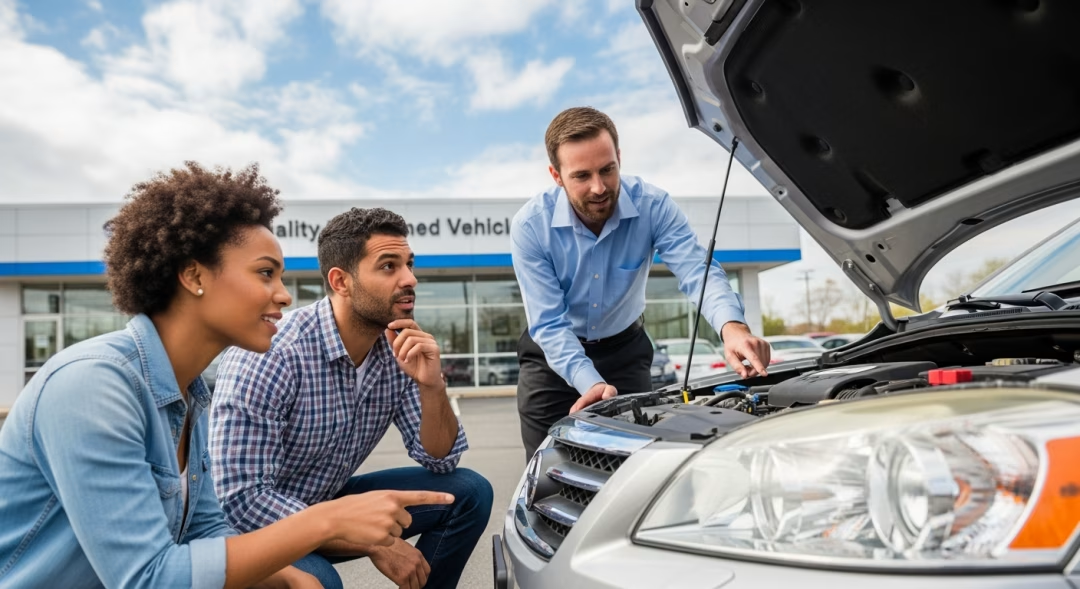
Finding the right used car is an investment in your daily life, from commuting to work to weekend adventures around Rhode Island. A detailed inspection is the best way to protect that investment. This checklist breaks down the process into manageable steps, ensuring you do not miss any critical details. By following this guide, you can confidently assess any used car and make an informed decision that you will be happy with for years to come.
Before you even step onto a dealership lot, the most important work begins at home. Start by defining your budget. This is not just the sticker price of the car; it includes potential costs for taxes, title, registration fees, and insurance. Consider getting pre-qualified to understand what you can comfortably afford. We offer a simple pre-qualification application that gives you a clear picture of your buying power, even if you are concerned about your credit history. We specialize in providing bad credit car loans in Warwick, ensuring everyone has access to reliable transportation.
Once your budget is set, research vehicle models that fit your needs and have a reputation for reliability. Look into common issues for specific makes and models, typical maintenance costs, and fuel efficiency. If you plan on trading in your current vehicle, use our Value My Trade tool to get an estimate. This will give you a better understanding of your total purchasing power.
Your first impression of a car is its exterior. A thorough walk-around can reveal a lot about its history. Conduct this inspection in broad daylight and on a level surface. Look for signs of past accidents or rust, which can be a significant issue with New England weather. Here is what to focus on:
The inside of the car is where you will spend your time, so it should be comfortable and functional. An interior inspection can also reveal hidden issues like water damage or electrical problems.
You do not need to be a mechanic to perform a basic under-the-hood inspection. A few simple checks can help you spot potential red flags. Always perform these checks when the engine is cool.
The test drive is your chance to feel how the car performs on the road. Plan a route that includes a mix of city streets, bumpy roads, and highway speeds to get a comprehensive feel for the vehicle. Turn the radio off so you can listen for unusual noises. When you are ready, you can easily schedule a test drive with us online.
Before you make a final decision, ask for the vehicle's history report (like a CARFAX or AutoCheck) and any available service records. A comprehensive history report will detail any reported accidents, title issues (like salvage or flood damage), and mileage discrepancies. Service records show that the previous owner kept up with routine maintenance, which is a great sign of a well-cared-for vehicle. At our dealership, we pride ourselves on transparency and provide this information for all our vehicles. Our About Us page details our commitment to quality and customer satisfaction.
While every aspect is important, checking the vehicle history report and conducting a thorough mechanical inspection are paramount. The history report reveals past issues like accidents or flood damage, while a mechanical check ensures the engine, transmission, and brakes are in good working order, which is crucial for safety and avoiding costly future repairs.
Both are important, but maintenance history is often the deciding factor. A well-maintained older car with higher mileage can be more reliable than a newer, low-mileage car that was neglected. In New England, also consider how the car was stored, as age can lead to rust and corrosion if not properly cared for, regardless of mileage.
Absolutely. We specialize in helping customers with all types of credit situations. We offer a variety of programs, including Buy Here Pay Here financing and guaranteed car financing options. Your credit history should not prevent you from owning a dependable vehicle. We invite you to fill out our secure online application to get started.
We stand by the quality of our vehicles, which all undergo a rigorous inspection process. However, for your own peace of mind, getting an independent PPI is always a wise decision. A trusted mechanic can provide an unbiased, expert opinion on the vehicle's condition and may spot potential issues you might have missed.
Great question! Ask about the vehicle's origin (was it a trade-in or from an auction?), what reconditioning work has been done, if a vehicle history report is available, and what kind of warranty or service contract options are offered. For any other questions, please do not hesitate to contact us directly.
